
Jordan was a sanctuary. For years, American forces found safe refuge there, far from the tensions of the Gulf. In July 2026, that sanctuary was shattered.
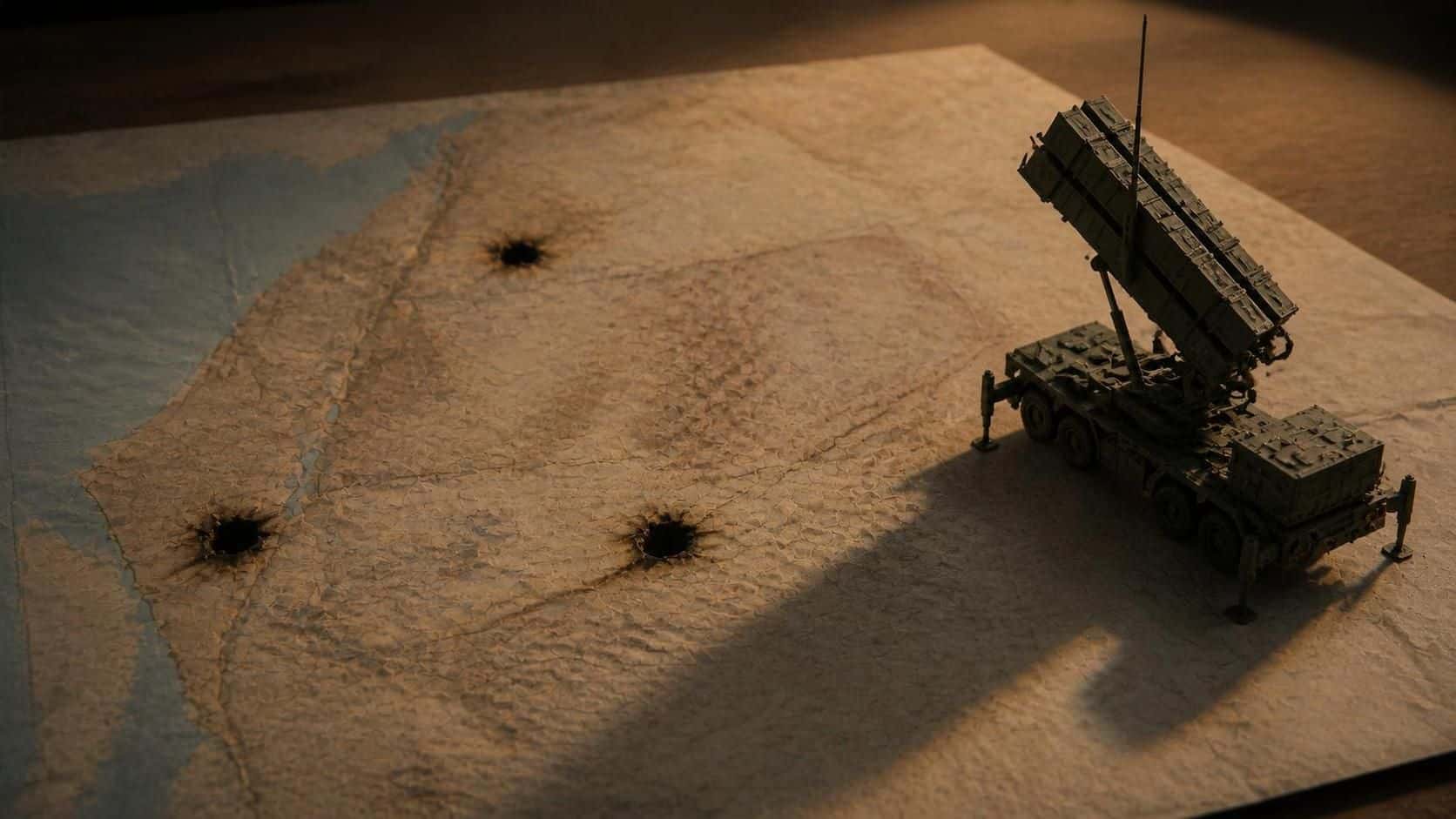
Four Iranian attacks in five days. The Muwaffaq Salti Air Base, in the north of the country, was struck twice. On 17 July, two American soldiers were killed. A third is missing. Four others were wounded. The day before, twenty soldiers had already been hit in a first salvo. The Patriot systems fired. They did not intercept the missiles.
The King Faisal Air Base, further south, was also targeted. Five more wounded. Videos released after the strikes show ballistic missiles hitting their targets without any interception. American officials, quoted by CBS News, have acknowledged that Iran has become more skilled at bypassing American air defence systems.
The total toll since February 2026 is heavy: sixteen American soldiers killed, more than 430 wounded. Among the latest victims identified are First Lieutenant Tyler James Feehan, 25, from Hawaii, and Private Isabella Gonzales, 19, from Texas. Names, faces, families.
How did we get here?
The answer lies in two movements. The first is a retreat. From the very first days of the conflict, several Gulf countries restricted the ability of the United States to station troops and aircraft on their territory. According to the New York Times, the Pentagon was forced to move its forces from Gulf bases to positions deemed safer: Jordan and Israel. A concentration that inadvertently created a denser target for Iranian missiles.
The second is a dependency. Jordan cannot say no to Washington. American aid, which began in the 1950s, has tripled over the past fifteen years. In 2025, the United States provided the Hashemite Kingdom with approximately 33.8 billion dollars. Nearly 4,000 American soldiers are stationed on its soil. An expert quoted by the New York Times summed it up bluntly: “Jordan, because of its security agreement with the United States and the nature of the relationship between the two, where Washington holds the dominant position, is not in a position to say no.” By agreeing to host American troops, the kingdom has become a target.
Iran has understood this. And it is exploiting this weakness methodically.
First, on the military front. Despite months of American strikes, Iran retains significant missile stocks. Low-cost drones saturate the defences. Each interception costs millions of dollars. Each Iranian drone costs a few thousand. The economic equation is untenable for Washington. The CSIS has highlighted in its analyses the worrying depletion of American precision munition stocks.
Second, on the psychological front. On 18 July, the Revolutionary Guards broadcast a message in Arabic calling on Jordanians to “eliminate” the American soldiers on their soil. An attempt to turn the population against the foreign presence. For now, according to sources quoted by Ynet, Jordanians are expressing anger towards Tehran above all. But that anger could, in time, turn against Washington.
Finally, on the political front. The war is unpopular with an American electorate facing rising fuel prices. Less than four months before the midterm elections, pressure is mounting on the Trump administration. According to sources close to internal deliberations, Vice President JD Vance reportedly considered the June ceasefire as an opportunity to replenish strategic reserves, rather than as a genuine peace agreement.
The United States has struck back. Nine consecutive nights of strikes on Iran. But the wear and tear is there. Munitions are running low. Allies are worried. And Jordan, caught between its dependence on Washington and its vulnerability to Tehran, is wavering.
The coalition is taking the hits. For now. But time is not on its side.
By the editorial team
Geostrat Watch – Deciphering the world to better anticipate.
Sources:
Ynet News : https://www.ynetnews.com/article/ryrczzsvfx
The New York Times : https://www.nytimes.com/2026/07/18/world/middleeast/iran-war-jordan-attacks.html
BBC : https://www.bbc.com/news/articles/cn8nynv8ze8o
CBS News : https://www.cbsnews.com/live-updates/iran-war-trump-us-troops-killed-wounded-jordan-base/
TASS : https://tass.com/world/2161949
Vietnam.vn : https://www.vietnam.vn/en/iran-tuyen-bo-ban-tra-loat-can-cu-pha-huy-tiem-kich-va-may-bay-tiep-dau-my